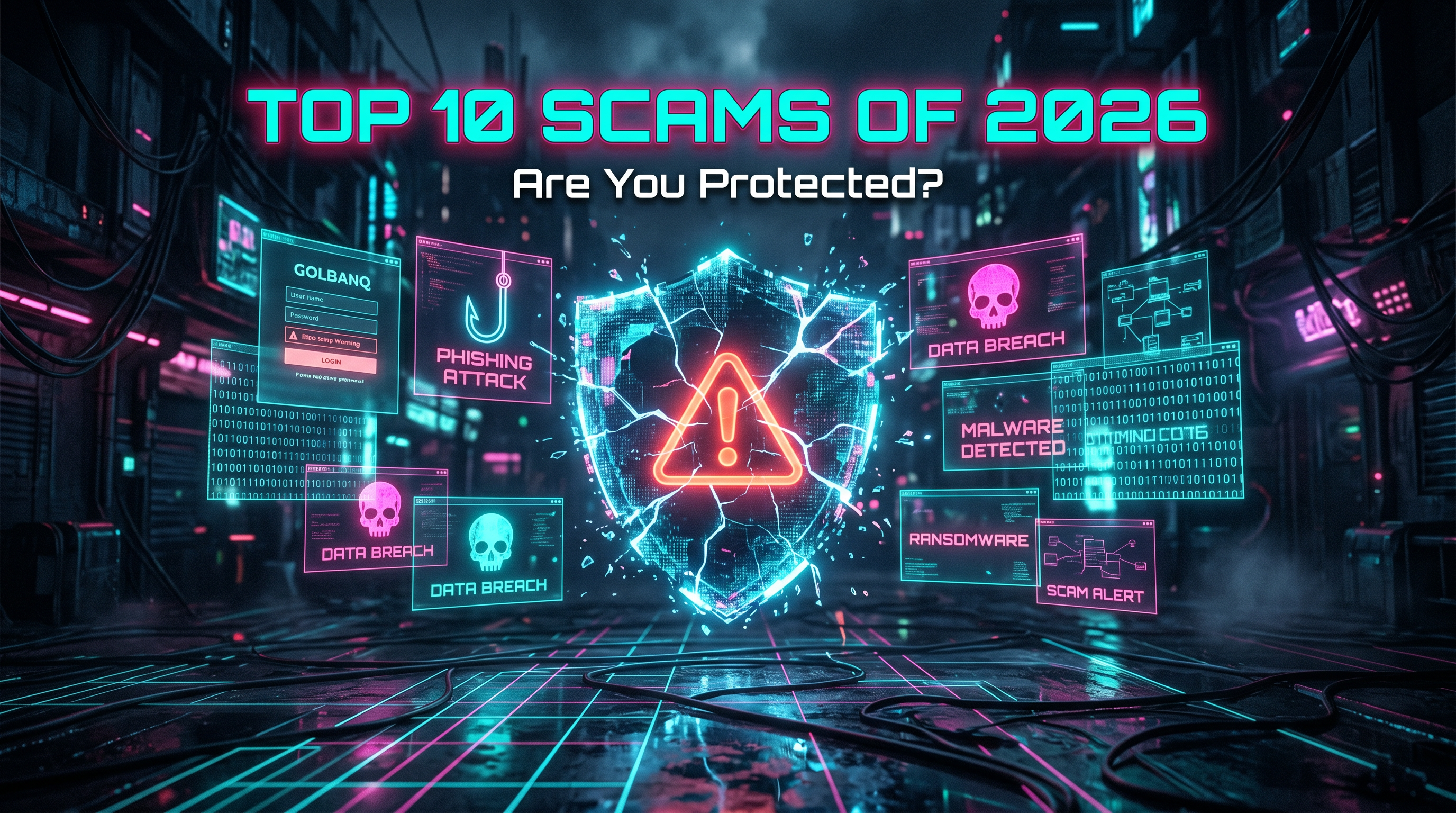
Top 10 Scams of 2026 Exposed: AI Deepfakes, Crypto Traps & Identity Theft – Ultimate Avoidance Tactics
In the flickering neon underbelly of 2026's digital sprawl, where data streams pulse like veins in a cybernetic beast, the shadows teem with predators. Picture this: your grandmother's face, eerily lifelike, pleading for cash on a video call from a "grandkid in distress." Or a crypto wallet promise that evaporates overnight, leaving your life savings in the void. These aren't relics of the past—they're the top scams of 2026, weaponized by AI, deepfakes, and ruthless algorithms. At Scam Slayers Midnight Justice, we pierce the veil, exposing the most common scams 2026 has unleashed on everyday people, tech-savvy pros, families, and anyone daring to log in.
This isn't paranoia; it's threat intelligence from the front lines. Scammers have leveled up, blending generative AI with social engineering into undetectable traps. But you're not helpless. Armed with these ultimate avoidance tactics, you can how to avoid scams like a shadow operative navigating the net. We've dissected the AI scams, deepfake fraud, crypto scams 2026, and identity theft prevention strategies that matter. Dive in, stay vigilant, and reclaim your digital sovereignty.
Why 2026's Scams Hit Harder: The AI-Powered Evolution
Gone are the crude email chains and pixelated phonies. Today's fraudsters wield neural networks trained on petabytes of your data—your voice from social clips, your face from selfies, your habits from browser histories. The result? Hyper-personalized assaults that bypass gut instincts. According to rising breach reports, losses from these top scams 2026 are projected to eclipse $500 billion globally, snaring families in quiet desperation and pros in boardroom blunders.
But knowledge is your firewall. We'll break down the top 10, from inception to evasion, with tactical countermeasures. Think of this as your midnight briefing: precise, unflinching, actionable.
The Top 10 Scams of 2026: Exposed and Neutralized
1. Deepfake Family Emergency Scams
The call comes at 2 AM: your child's face, distorted just enough to seem frantic, begs for wire transfers to "fix a car crash abroad." AI deepfakes now generate video in real-time, syncing lip movements to stolen voice clones. Victims lose thousands before the spell breaks.
How it works: Scammers scrape public profiles, feed into tools like advanced Stable Diffusion variants, and deploy via VoIP. Detection lags because micro-expressions are near-perfect.
Avoidance Tactics for Deepfake Fraud
- Establish a family safe word or gesture—verify with something only intimates know.
- Hang up and call back on a known number. Never transfer funds on first contact.
- Use deepfake detectors like Hive Moderation or Microsoft's Video Authenticator; scan suspicious clips.
- Lock down social media: privatize photos/videos, enable facial recognition alerts.
2. Voice Cloning Impersonation Heists
A voice double of your boss demands urgent crypto payments for a "confidential deal." ElevenLabs-style tools clone voices from seconds of audio, fooling even close colleagues in AI scams.
Red flags: Unusual urgency, off-script phrasing, background noise mismatches.
Identity Theft Prevention Moves
- Implement voice biometrics on banking apps where available.
- Verify via secondary channels: text a code word or use signal apps with disappearing messages.
- Audit call logs; report to carriers for tracing.
3. Crypto Rug Pulls 2.0 with Hype Bots
Memecoins explode on X, pumped by AI bot swarms mimicking influencers. Devs drain liquidity post-hype—these crypto scams 2026 evolve with predictive trading AIs spotting retail FOMO.
Tactics: DYOR beyond whitepapers; check on-chain txns via Etherscan. Diversify into audited DeFi protocols.
- Avoid unsolicited DM pumps.
- Use hardware wallets; never share seeds.
- Monitor for wash trading patterns.
4. Synthetic Identity Theft Syndicates
Ghost profiles built from blended real/fake data—AI merges SSNs, faces, and credit histories for loans in your name. By 2026, these "synthetics" account for 30% of fraud.
Shield up: Freeze credit with Equifax/TransUnion. Enable multi-factor beyond SMS.
5. Metaverse Phishing Real Estate Traps
Virtual land deals in Decentraland knockoffs: scammers sell phantom plots via AR overlays, extracting wallet approvals that drain real crypto.
- Verify deeds on blockchain explorers.
- Beware pop-up approvals—simulate txns first.
6. AI Job Interview Imposters
Fake recruiters use deepfake Zoom bots for "interviews," harvesting credentials mid-chat. Post-"offer," malware drops.
Counter: Research firms on LinkedIn; reverse-image search logos.
7. Pig Butchering Deepfake Romances
AI avatars build months-long courtships on dating apps, culminating in crypto "investment advice" that ghosts funds. Emotional hooks make this a most common scams 2026 killer.
In the glow of fabricated love, wallets bleed dry.
8. Rogue Government AI Agents
Chatbots posing as IRS/SSA bots demand payments for "back taxes" via deepfake portals. Official sites never initiate contact.
- Direct to .gov sites only.
- Report to FTC instantly.
9. AR Tech Support Overlays
Pop-up AR holograms "scan" your device, guiding remote access for ransomware. Vision Pro-era glasses amplify this.
Disable AR permissions; use antivirus like Malwarebytes.
10. Biometric Data Harvest via Wearables
Hacked fitness trackers sell heartbeat/iris scans for forging biometrics. Identity theft prevention demands encryption checks.
- Opt for zero-knowledge proofs in apps.
- Regular firmware updates.
Mastering Scam Prevention: Your 2026 Arsenal
Across these top scams 2026, patterns emerge: urgency, isolation, tech novelty. Build habits like VPN always-on, password managers (1Password/Bitwarden), and alert subscriptions from Have I Been Pwned.
For families: Weekly drills. Pros: Zero-trust models. Everyone: Skepticism as default.
Pro Tips to How to Avoid Scams Forever
- Enable app kill-switches for suspicious behavior.
- Use AI yourself—tools like Google's SynthID watermark detectors.
- Community intel: Forums like Reddit's r/Scams.
- Financial hygiene: Segment accounts, low-balance primaries.
Join the Slayers: Test Your Defenses Now
The net's shadows never sleep, but neither do we at Scam Slayers Midnight Justice. You've got the intel—now sharpen it. Take our free homepage quiz to benchmark your scam radar against these most common scams 2026. Score high? You're a ghost in the machine. Spot gaps? Arm up with our guides.
CTA: Click now, slay tomorrow. In 2026's arena, vigilance isn't optional—it's survival.